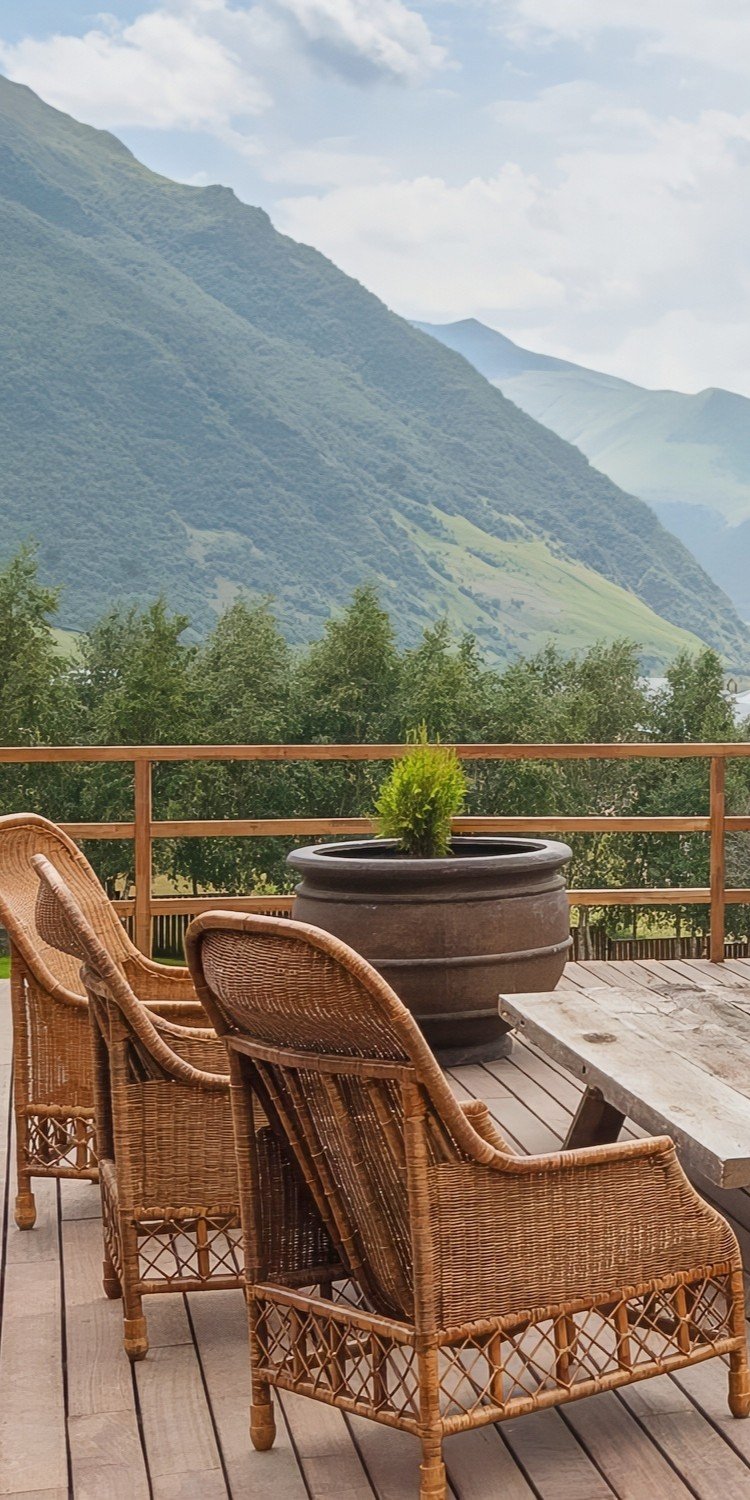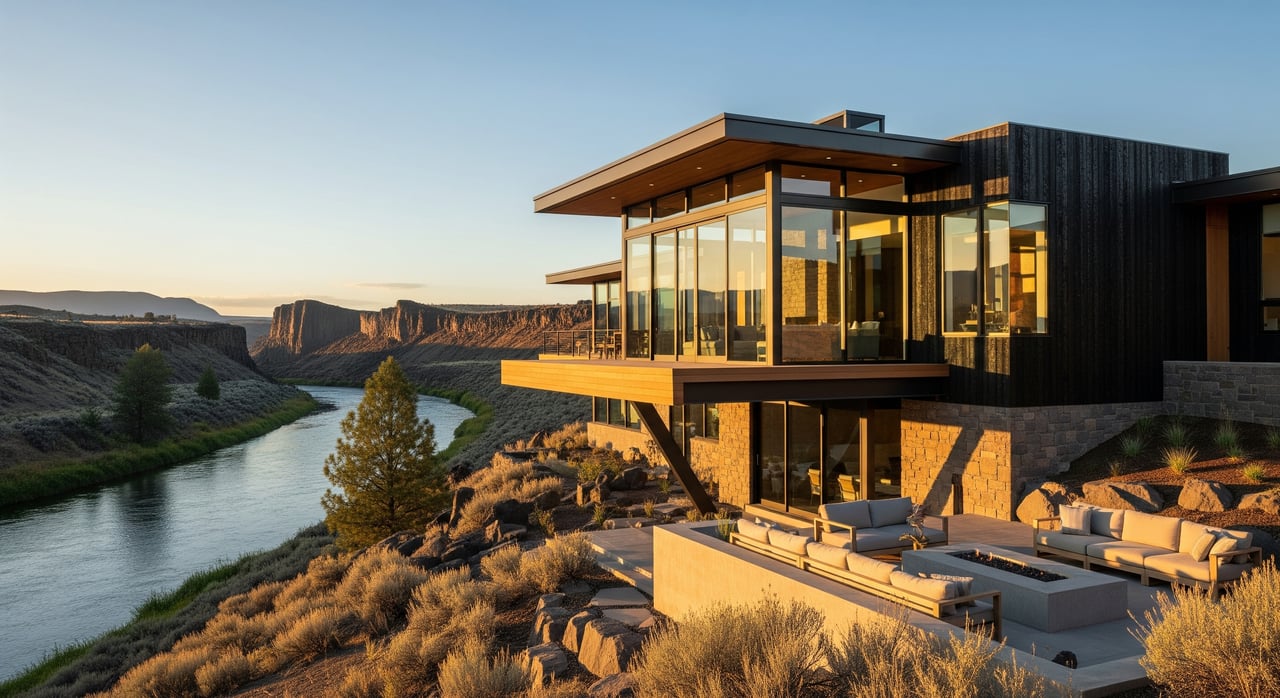
Coffee on the deck, river light on the canyon walls, and your gear drying after a day on the Deschutes. If that sounds like your perfect day, you’re not alone. Buyers drawn to Maupin’s river-view homes share a clear set of wants shaped by the high-desert climate, the river’s seasonal rhythms, and a love of outdoor recreation. In this guide, you’ll learn what features matter most, which inspections protect your investment, and the smart upgrades that help a listing stand out. Let’s dive in.
Why Maupin river-view homes stand out
Maupin sits in a scenic stretch of the Deschutes River canyon in Wasco County. Many homes and parcels overlook the water from the rim or slope, with views that change by the hour. The community’s lifestyle revolves around the river, with boating, rafting, fishing, and paddle sports drawing both full-time residents and second-home buyers.
The climate is semi-arid. Summers are hot and dry with strong sun exposure, and winters are cold with relatively low precipitation. Wind can be a factor, especially on exposed sites where canyon and thermal effects funnel gusts. These conditions shape what works best for outdoor living spaces, exterior materials, landscaping, and utilities.
Top features buyers ask for
Outdoor spaces for views and wind
Buyers want outdoor rooms that keep the view center stage and stay comfortable when the wind picks up. Decks, patios, and terraces facing the river are most popular. Wind-smart design helps, like partial enclosures, glass windbreaks, pergolas with screens, or courtyard layouts that shelter seating without blocking the vista.
Year-round usability matters. Shade or roof overhangs tame summer sun, while propane or infrared heaters and sheltered nooks extend spring and fall evenings. Low-profile glass or cable railings preserve sightlines and make small decks feel bigger.
Low-maintenance exteriors for the high desert
Sun, heat, and thermal cycling can be tough on finishes. Buyers favor UV- and heat-resistant siding and roofing that look good with minimal upkeep. Fiber-cement or metal siding, metal or composite roofing, and composite or capped wood decking perform well in this environment.
Hardware matters too. Powder-coated rails and stainless or hot-dip galvanized fasteners resist corrosion, which is helpful in river-adjacent microclimates. Xeriscaping with native plants and drip irrigation reduce water use and maintenance.
Gear storage built for river days
Recreation-forward storage is a must. Dedicated gear rooms or large mudrooms with racks for wetsuits, PFDs, paddles, and dry bags keep wet gear organized and out of living spaces. Buyers love oversized garages or covered bays with room for kayaks, SUPs, and rafting trailers.
Exterior hose bibs and outdoor rinse stations with drains make cleanup easy. Add exterior outlets for inflators and pumps. On sloped sites, drive-up access, paved turnarounds, and trailer-friendly parking are big advantages.
Access to launches and trails
Proximity to public boat launches, put-ins and take-outs, and local trails is a top draw. If a property has private steps or an easement to the river, buyers want clear documentation. For most homes, knowing the nearest public access points and travel times helps them picture their routine.
Utilities and connectivity expectations
Many river-view properties are rural. Private wells and septic systems are common, and buyers look for solid documentation on well yield, water quality, and septic permits and maintenance. Internet and cell coverage can vary by location. Remote workers often ask about fiber or DSL availability, fixed wireless, or satellite options. Electricity is typically served by regional utilities, and many homes supplement with propane or wood heat.
Site and legal checks that matter
Wells, water rights, and irrigation
If a property relies on a private well, buyers should review well production testing and recent water quality results. If landscape irrigation or any surface diversion is part of the plan, documentation of water rights is essential because Oregon regulates surface water and irrigation rights. Sellers can boost confidence by gathering these records up front.
Septic systems on canyon sites
Most non-municipal properties use septic systems. Verify system type, capacity, age, maintenance records, and compliance with Wasco County health department permits. Canyon slopes and shallow soils can constrain siting and increase repair costs, so a professional inspection is important.
Floodplain status, riparian boundaries, and access
River corridor properties may fall within special flood hazard areas. Buyers should check current flood maps and determine if flood insurance is required. Ownership along navigable rivers can include public use rights below certain high-water marks, so it is important to confirm where private land ends and public access begins.
If there are structures in or near the water, such as stairs or docks, permits may be needed from state and local agencies. Bank stability and any history of erosion or stabilization work should be reviewed, along with rules about riparian vegetation.
Permits, land use, and short-term rentals
Wasco County planning codes regulate building permits, wells and septic approvals, land divisions, and accessory structures. If you plan to operate or market a vacation rental, verify local rules because short-term rentals may be restricted. Accurate permitting histories and clear, current use approvals help prevent surprises.
Wildfire risk and insurance
Eastern Oregon sees seasonal wildfire risk. Buyers should look for defensible space, ember-resistant construction details, and a plan for maintenance. It is wise to shop homeowner and wildfire insurance early in the process, since risk can influence availability and cost.
Smart upgrades that boost value
Orientation and glazing
Place primary living areas and windows toward the river. Use high-performance glazing, like low-E double or triple panes, to limit summer heat gain and winter heat loss. Roof overhangs and exterior shading reduce afternoon heat on west-facing windows. Recessed glazing or wind buffers can make exposed sites more comfortable.
Exterior materials and roofing
In the high desert, low-maintenance finishes are a selling point. Fiber-cement, metal siding, or modern stucco with robust weather barriers hold up well. Metal or composite roofs resist thermal cycling and strong sun. Specify corrosion-resistant fasteners and hardware, especially near the river.
Decks, railings, and outdoor features
Composite or capped lumber decking offers durability and fewer refinishes. Where codes allow, glass-pane or cable railings keep views open. Built-in benches, storage niches, and weatherproof cabinetry enhance function without cluttering the sightline.
Landscaping for the high desert
Xeriscaping with native, drought-tolerant plants fits the climate and reduces irrigation needs. Permeable pavers support drainage and look great on patios and driveways. Where slopes or banks need attention, consult a soils or erosion specialist about plantings, rock terracing, or stabilization best practices to protect the site.
Gear rooms and garages
A purpose-built mudroom or gear room is a quiet hero feature. Durable flooring like sealed concrete or tile, floor drains, and ventilated drying racks keep gear in top shape. In the garage, extra depth and height for trailers and roof racks, overhead storage, and dedicated power for inflators make setup and cleanup easy.
Resilient utilities and connectivity
Clear documentation builds trust. Provide well and septic records, recent inspection reports, and any upgrades to pumps, tanks, or drain fields. Backup power solutions, such as generators or solar with battery storage, add appeal in rural settings. For connectivity, outline current service providers and speeds and note any equipment or line-of-sight requirements for fixed wireless.
For sellers: make your listing shine
A few targeted steps can help you command attention in Maupin’s river-view segment.
- Gather documentation: well yield and water quality reports, septic permits and maintenance logs, building permits, a current plat or survey with easements, and flood zone determinations if applicable.
- Curate outdoor living: set a wind-sheltered seating zone, add shade solutions, and showcase night lighting and heating where safe and appropriate.
- Upgrade for durability: refresh with UV-stable exterior finishes, composite decking, and corrosion-resistant hardware.
- Organize for recreation: highlight a mudroom or gear area, trailer-friendly parking, and exterior rinse and power stations.
- Prepare for wildfire season: document defensible-space work and ember-resistant features.
- Note nearby recreation: describe the closest public launches and trailheads clearly and accurately.
Due diligence checklist for buyers
Use this list to move from dream to done with confidence.
- Confirm water: order a well production test and water quality report; verify any irrigation or surface water rights if landscaping or agriculture is planned.
- Inspect septic: hire a septic professional and review county records for permits and capacity.
- Evaluate flood risk: check floodplain status and, if needed, obtain an elevation certificate and insurance quotes.
- Verify boundaries and access: confirm the riparian boundary, easements, and any recorded surveys, especially where river access is claimed.
- Assess structure and site: include roof, deck connections, and any erosion or bank stability risks in your inspection scope.
- Review permitting: understand rules for docks, shoreline work, and planned additions before you write offers.
- Test connectivity: confirm internet and cell options for the exact address, including fixed wireless or satellite if fiber or DSL are unavailable.
- Price insurance early: talk with carriers about wildfire and flood coverage and costs.
Work with a local guide you can trust
River-view homes in Maupin offer a rare mix of scenery and lifestyle. With the right features, documentation, and design choices, you can enjoy the views while protecting your investment. If you are ready to explore the market or position your property to sell, I am here to help you navigate wells, septic, access, permits, and negotiation from first tour to closing. Reach out to Tiffany Hillman to start a clear, confident path to your Maupin river-view goal.
FAQs
What should I check first when buying a Maupin river-view home?
- Start with well and septic documentation, floodplain status, and any easements or access notes related to the river or shoreline.
How do wind and sun affect outdoor living near the Deschutes?
- Expect strong sun and periodic gusts; plan for shade, windbreaks, and sheltered seating so decks and patios stay usable most of the year.
Do I need flood insurance on a river-view property in Maupin?
- It depends on floodplain status; check current maps and, if the home is in a special flood hazard area, get an elevation certificate and insurance quotes.
What are Oregon water rights and why do they matter?
- If you want to irrigate from surface water, you need a valid water right; verify any claimed rights and confirm well yield and water quality for domestic use.
What should I know about septic systems on canyon sites?
- Capacity, age, and compliance matter, and sloped terrain can affect siting and repair costs; always get a professional inspection and review county records.
Are short-term rentals allowed for river-view homes in Wasco County?
- Rules vary by location and zoning; confirm current county or local regulations before planning or marketing a short-term rental.
How does wildfire risk impact ownership and insurance?
- Defensible space and ignition-resistant construction help reduce risk, and wildfire exposure can influence insurance availability and premiums, so shop early.