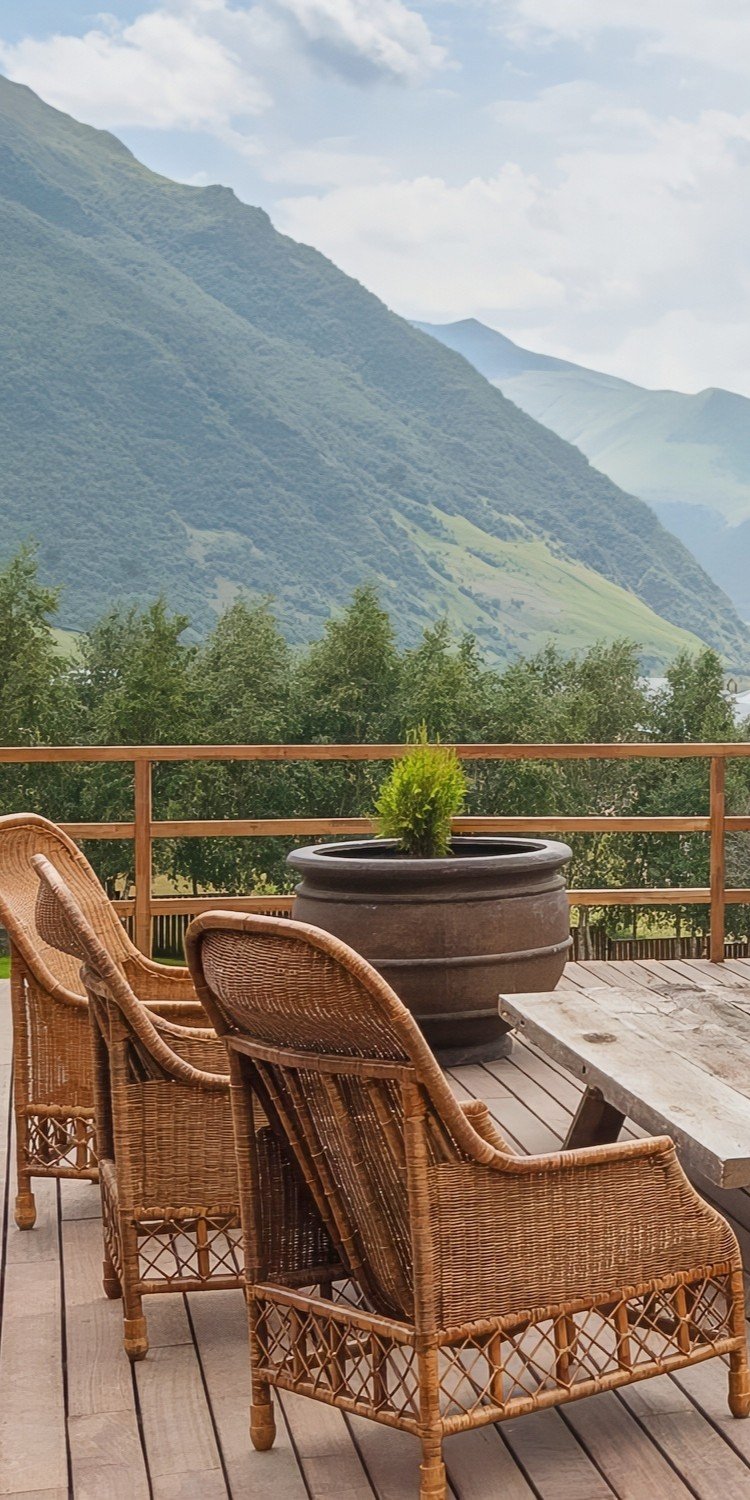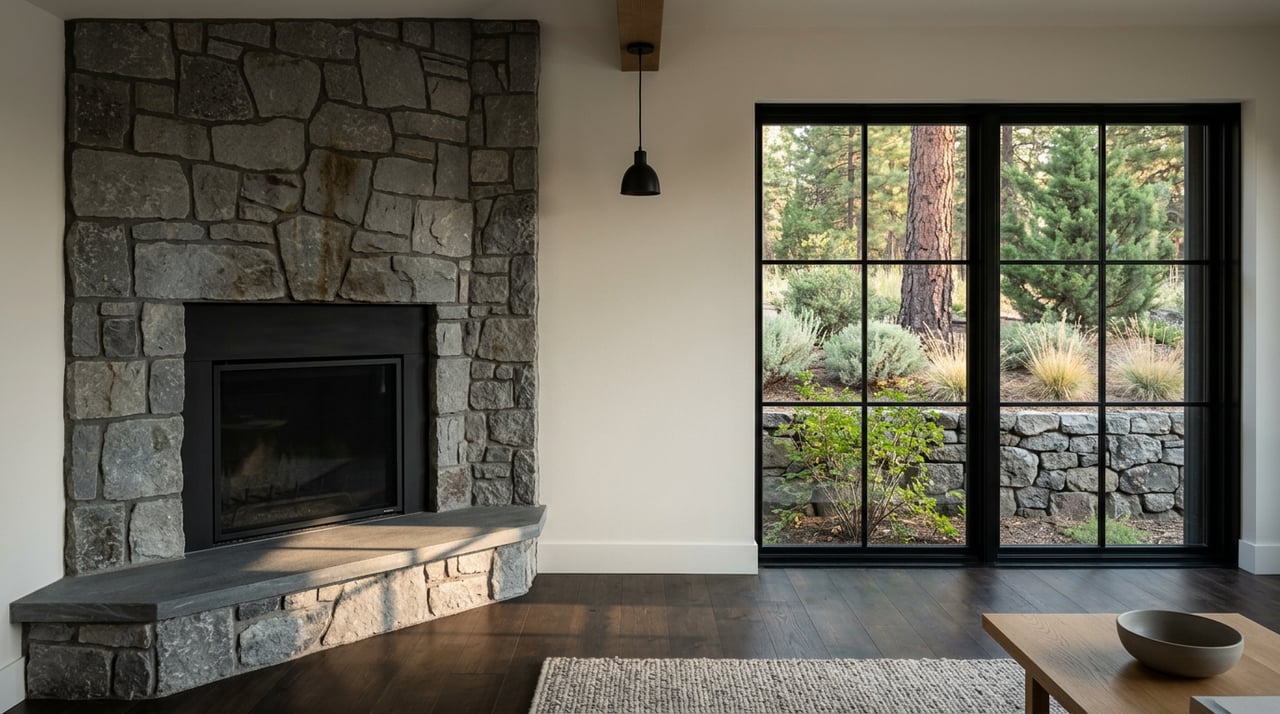
Picture two cabins in Maupin, both a short walk from the water, both around 1,200 square feet, both listed within a few thousand dollars of each other. Same view of the canyon. Same proximity to the boat ramps. A buyer touring both would be forgiven for thinking the choice comes down to paint color and how the kitchen is laid out.
It doesn't. One of those cabins can legally host paying guests every rafting weekend from May through September. The other cannot, no matter how good its river frontage looks in photos. The difference isn't the roof or the deck. It's a line on the city's zoning map that most buyers never think to check until after they've fallen for a listing.
What actually splits the market
Maupin's city government restricts short-term rental licensing to properties inside the Recreation-Commercial zone. If a home or an accessory dwelling unit sits outside that zone, it cannot be licensed for stays under 30 days, regardless of how the seller markets it or how many rafting outfitters are within walking distance. The city spells this out plainly on its own planning page: homeowners can use a home or ADU as a short-term rental only if it falls inside that specific zoning designation.
That single fact reshapes how a buyer should read a Maupin listing. A cabin's value in this market isn't just square footage and river access. It's whether that parcel can generate lodging income at all, which depends entirely on a zoning boundary that was drawn well before any current listing hit the market.
The city's planning department is direct about it: use as a short-term rental is tied to the zone, not the structure, and any owner who wants to operate one takes on both a city and a state lodging tax obligation the moment they start renting. That framing tells you two things at once: the zone gates the opportunity, and the opportunity comes with tax obligations a buyer needs to underwrite before assuming any rental income.
The tax that funds the whole arrangement
Maupin adopted its Transient Lodging Tax back in 2009 under Ordinance 286, then updated and replaced it with Ordinance 295 in 2013, now codified as Maupin Municipal Code 3.30. The rate sits at 6 percent of lodging receipts, and lodging providers calculate and remit it quarterly, within 30 days of each quarter's end, along with a copy of their state tax return.
Here's the part that matters for a buyer's math: 90 percent of that tax funds Maupin's Dedicated Tourism Fund, which in turn supports the Maupin Area Chamber of Commerce. So a licensed short-term rental in Maupin isn't just generating income for its owner. It's directly funding the tourism infrastructure that makes the town attractive to renters in the first place, the guides, the outfitters, the seasonal draw that brings rafters and anglers back every summer. If you're evaluating a Recreation-Commercial parcel as an income property, that 6 percent isn't a rounding error. It's a fixed cost you should build into any rental projection from day one.
Why the city paused new licenses in the first place
In October 2023, the Maupin City Council approved a Planning Commission recommendation to place a six-month moratorium on new short-term rental license applications. The stated purpose was to give the Planning Commission time to draft an amendment establishing a maximum cap on the number of short-term rentals allowed citywide and to regulate existing licenses more evenly.
Maupin's municipal code is current through Ordinance 332, passed March 27, 2024, several months after that moratorium period began, so the cap discussion the council opened in 2023 has had time to work its way into city policy since then. What that sequence tells a prospective buyer is straightforward: Maupin has been actively working to limit how many properties can hold an active STR license, not expand the pool. In a market this small, that kind of policy direction tends to make existing, currently-licensed Recreation-Commercial properties more valuable over time, simply because new licenses aren't a guaranteed path for the next buyer who wants one.
| If the parcel is zoned | What that means for you |
|---|---|
| Recreation-Commercial | Eligible to apply for a short-term rental license, subject to a Safety and Compliance inspection, a plot plan showing parking and bedroom counts, and the 6% city lodging tax on top of the state's rate |
| Any other residential zone | Short-term rental is not an option under current code, regardless of what a listing description implies about rental potential |
What this means in a market this small
As of early June 2026, Maupin's active inventory sat around 33 listings, with an average asking price near $370,788. The average home size in Maupin runs about 1,603 square feet, noticeably smaller than the Wasco County average of 2,145 square feet. That's a market built on modest cabins and cottages, not sprawling houses, which makes sense for a river town where the draw is proximity to the water rather than square footage.
In a market that size, a single zoning distinction carries more weight than it would in a larger city. When there are only three dozen active listings at any given time, the handful that sit inside the Recreation-Commercial zone and hold a valid license aren't competing on the same terms as everything else on the market. They're competing in their own smaller pool, against other properties that can also legally earn lodging income. Everything else is competing purely as a residence, a second home, or a long-term rental, which is a different value proposition entirely.
That's the part a median price can't tell you. Two homes at the same price point in Maupin might be answering completely different questions for a buyer. One is asking "is this a good vacation home." The other is asking "is this a good vacation home that can also help pay for itself."
Before you write an offer
If you're seriously considering a Maupin property with any expectation of rental income, a few steps are worth doing before you get attached to a listing:
- Confirm the parcel's zoning directly, rather than relying on how a listing describes the property's flexibility or potential
- If it's zoned Recreation-Commercial, ask whether an active short-term rental license already exists on the property and whether that license carries forward to a new owner or requires a fresh application
- Budget for the 6 percent city Transient Lodging Tax on top of Oregon's state lodging tax if you plan to operate any licensed rental
- If the zone doesn't allow short-term rental, treat any income assumptions as long-term tenant income only, and price the property accordingly
Questions buyers ask
Does an ADU count the same as the main house for zoning purposes? Yes. The city's own guidance states that a home or an ADU can be used as a short-term rental only if it sits within the Recreation-Commercial zone. The structure type doesn't change the zoning requirement.
Is the licensing cap the city discussed in 2023 still in place today? The moratorium began in October 2023, and Maupin's municipal code has since been updated through Ordinance 332 in March 2024. Because license availability and zoning maps can shift, confirm current status directly with Maupin's planning office before assuming a property can be licensed.
Where do I actually check a parcel's zoning? The city directs property owners to the Wasco County Public Basemap and Maupin's Comprehensive Zoning Map to confirm which zone a specific home or lot falls into. This is worth doing before, not after, you fall in love with a listing.
Maupin rewards buyers who do their homework before the offer, not after. If you're weighing a river cabin here against something in Wamic, Dufur, or elsewhere in Wasco County, I can walk the zoning map with you and tell you honestly what a specific parcel can and can't do. Contact Tiffany Hillman to start your Eastern Oregon search.