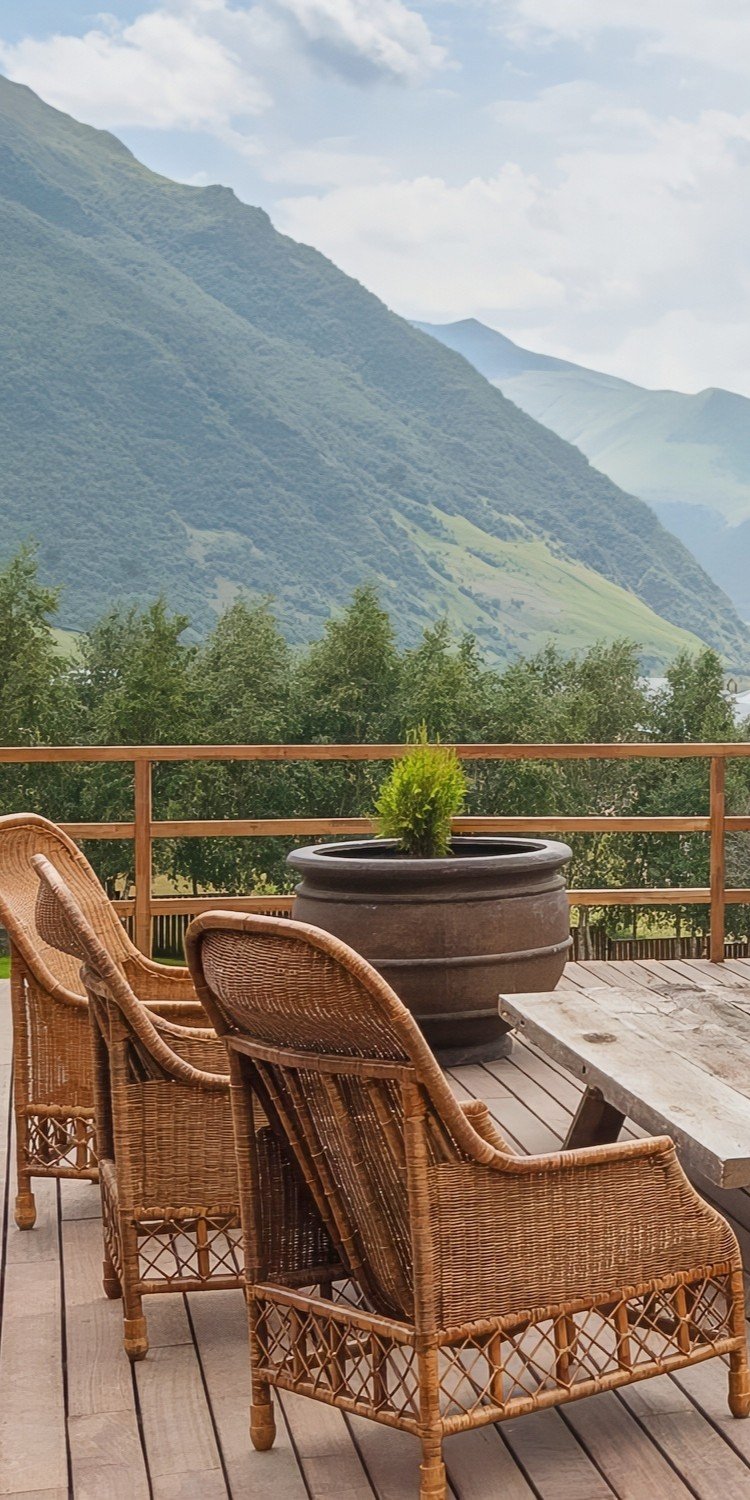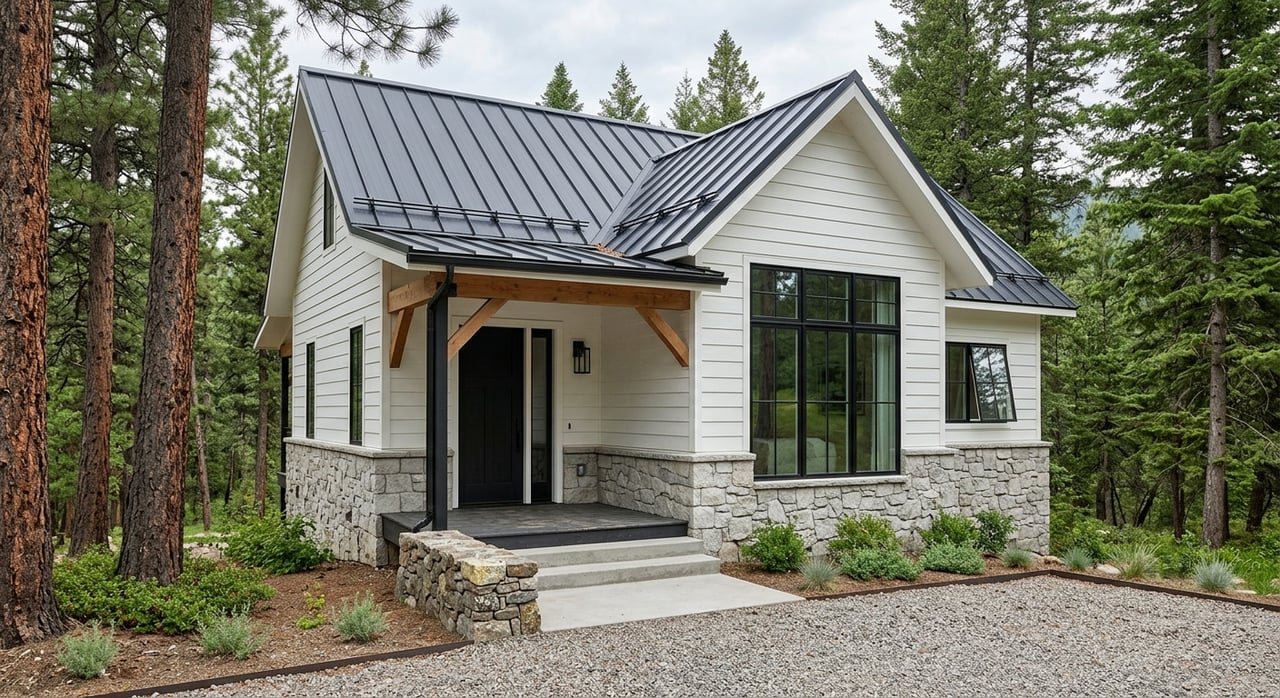
Dreaming about a cabin escape in Wamic? It is easy to picture the peace, views, and slower pace. But when you buy a second home in a rural area, the details behind the lifestyle matter just as much as the setting. If you are thinking about a cabin or second home here, this guide will help you focus on the practical issues that can shape ownership from day one. Let’s dive in.
Why Wamic works for second homes
Wamic is best understood as a rural, recreation-oriented market rather than a town-centered second-home destination. That means your buying decision should focus less on nearby blocks and more on the parcel itself, its access, and its service setup.
In this area, one property can function very differently from another. Road access, utility service, water source, and zoning can all vary by address, so it is smart to treat every purchase as a parcel-by-parcel review.
Start with year-round access
For many buyers, access is the first big issue to verify. A beautiful cabin can be much less enjoyable if getting there becomes difficult in winter or if road responsibilities are unclear.
The Mt. Hood National Forest road conditions page notes that Wamic Rd is seasonally closed to motorized vehicles over 50 inches wide from Dec. 1 to Apr. 1, with partial over-snow use during that period. If your route depends on seasonal roads or forest access, that should be part of your early due diligence.
Wasco County also distinguishes between county roads, local access roads, private roads, and driveways in its Fire Safety Standards. If a property is served by a local access road or private road, the people served by that road are responsible for keeping it maintained and passable for emergency vehicles.
Questions to ask about access
Before you move forward on a Wamic cabin, ask:
- Is the road county-maintained, privately maintained, or shared?
- Is there a recorded easement for legal access?
- Is there a road-maintenance agreement?
- Who handles snow removal?
- Can emergency vehicles reach the property year-round?
- Does the driveway meet local access and fire-safety expectations?
These questions may not be the most exciting part of cabin shopping, but they can have a major impact on convenience, safety, and long-term cost.
Confirm water service early
Water is another key item in Wamic because the source can vary by parcel. Some properties may be connected to a public system, while others may rely on a domestic well.
Wasco County GIS district layers identify Wamic Water & Sanitary Auth., and Oregon Drinking Water Services lists the Wamic Water Association as a community public water system with 130 connections and groundwater as its primary source. Wasco County’s business guide also lists several utility resources and notes that the exact provider can differ by parcel.
If a property uses public water, you will want to confirm service availability and account details for that address. If the property uses a well, your due diligence should go a step deeper.
If the property has a domestic well
The Oregon Water Resources Department explains that well reports have been required since 1955 and are archived records. Those reports can provide useful background when you are researching a property’s water setup.
Oregon Health Authority rules also say that in a real estate transaction involving a domestic well, sellers must test for arsenic, nitrate, and coliform bacteria. For second-home buyers, that makes water quality and record review an important part of the inspection period.
Check septic before you assume anything
Many rural second homes depend on onsite septic systems, and that means buyers should verify condition, location, and service history rather than assume everything is ready to go.
The Oregon Department of Environmental Quality says its onsite wastewater rules cover construction, alteration, repair, operation, and maintenance of septic systems. DEQ also maintains a statewide database of licensed septic installers and pumpers, which can be helpful if you need service information during ownership.
For a second home, septic questions matter because seasonal use patterns can differ from full-time occupancy. Even if a system is currently functioning, you still want to understand its age, maintenance needs, and any repair history tied to the parcel.
Review zoning before making plans
It is common for buyers to imagine future improvements right away. Maybe you want to expand a cabin, add features over time, or use the property in a different way later. In Wamic, those plans should always be checked against the parcel’s exact zoning first.
Wasco County’s land-use ordinance includes Wamic-specific zones such as RC-Wam-R2, RC-Wam-R5, RC-Wam-C2, and RC-Wam-M2. Because the county zoning system covers multiple areas and overlays, it is important to confirm the exact zoning and any overlay restrictions tied to the tax lot you are considering.
Why zoning matters for second homes
Zoning review can affect whether you can:
- Expand an existing structure
- Build additional improvements
- Change how a structure is used
- Complete certain repairs or upgrades
- Move forward with future building plans
Wasco County’s business guide also notes that building permits are generally required for construction, enlargement, alteration, repair, or changes to electrical, gas, mechanical, or plumbing systems. That makes it smart to verify both current status and future options before you buy.
Understand local services and response times
A second home in Wamic can offer the quiet and space many buyers want, but rural ownership also calls for realistic planning around services.
The Wamic Rural Fire Protection District says it is a 100% volunteer fire and ambulance first-responder service serving Wamic, Pine Hollow, Rock Creek, and beyond. That does not make ownership less appealing, but it does reinforce the value of being prepared and organized, especially if you live out of the area part of the year.
For many second-home owners, a practical ownership plan may include seasonal check-ins, winterization, clear access arrangements, and up-to-date contact information for service providers. Those steps can help you protect the property and reduce surprises.
Verify utilities by address
Utility service in rural Wasco County is not always the same from one parcel to the next. Wasco County’s business guide lists providers such as Northern Wasco County PUD, Wasco Electric Co-op, Pacific Power, NW Natural, and internet resources, but exact service depends on the property.
The Oregon Department of Energy’s utility directory lists Northern Wasco PUD, Wasco Electric Cooperative, and Pacific Power as county electric providers, while also noting that service boundaries are approximate. For internet, the county business guide points users to Oregon’s broadband resources to help identify options.
Utility checklist for buyers
Ask for parcel-specific confirmation on:
- Electric provider
- Natural gas availability, if any
- Water provider or well source
- Septic system type and records
- Internet provider options
- Fire district service area
This step is especially helpful if you plan to use the property often, work remotely at times, or host family and friends throughout the year.
A smart Wamic due-diligence plan
Because Wamic is so parcel-specific, a good buying process is usually less about speed and more about asking the right questions in the right order.
Here is a practical framework:
- Confirm legal and physical access including road type, easements, and winter conditions.
- Verify utilities by exact address or tax lot.
- Review water source and gather public-water or well records.
- Check septic details including maintenance and service needs.
- Confirm zoning and permits before assuming future changes are allowed.
- Understand local service structure including fire response and seasonal planning.
That kind of preparation can help you buy with more confidence and avoid common rural-property surprises.
How local guidance helps
Buying a second home in Wamic is different from buying in a more typical neighborhood setting. You are not just evaluating square footage or finishes. You are also weighing access, utilities, road obligations, service availability, and long-term usability.
That is where local, hands-on guidance can make a real difference. When you work with someone who understands rural Wasco County property issues, you can spend less time guessing and more time focusing on whether a property truly fits your goals.
If you are thinking about a cabin or second home in Wamic, Tiffany Hillman can help you navigate the details that matter most and make your search more informed from the start.
FAQs
What should you check first when buying a second home in Wamic?
- Start with road access, winter conditions, and who is responsible for maintenance, because those issues can directly affect year-round use and emergency access.
Does every Wamic cabin property have the same utility providers?
- No. Water, electric, gas, and internet service can vary by parcel, so you should verify each provider by exact address or tax lot.
What water questions matter for a Wamic second-home purchase?
- You should confirm whether the property uses public water or a domestic well, review available records, and understand required domestic-well testing in a real estate transaction.
Do Wamic properties always have public sewer service?
- Not necessarily. Many rural properties rely on onsite septic systems, so it is important to verify system details, maintenance history, and applicable DEQ rules.
Why is zoning important for a cabin in Wamic?
- Zoning can affect expansion plans, repairs, improvements, and future use, so you should confirm the parcel’s exact zoning and any overlays before making assumptions.
What makes Wamic different from a typical second-home market?
- Wamic is more of a parcel-by-parcel rural market, where access, utility districts, water source, and service structure can differ significantly from one property to the next.