Thinking about buying land around Dufur but not sure whether to choose raw acreage or a build-ready lot? You’re not alone. The right choice depends on your timeline, budget, and comfort with rural development steps like utilities, septic, access, and permits. In this guide, you’ll learn how each option works in Wasco County, what to check before you write an offer, and how to plan your path to a building permit with fewer surprises. Let’s dive in.
Raw land vs build-ready: quick definitions
What counts as raw land
Raw land is typically undeveloped acreage with little to no utilities or site improvements in place. Zoning can range from farm or timber to rural residential. You gain flexibility in siting, parcel size, and potential uses, but you’ll take on more permitting, site work, and coordination before you can build.
What counts as build-ready
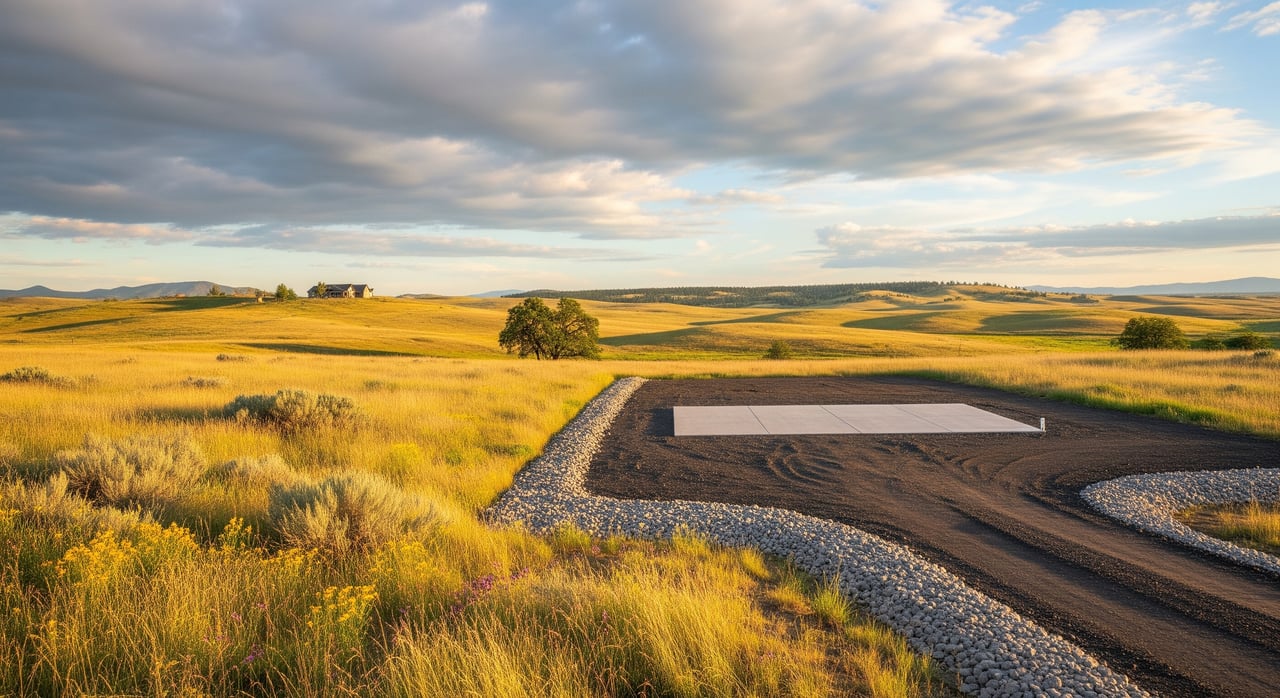
Build-ready lots usually come with improvements at or near the lot line: surveyed boundaries, utility service stubs or nearby lines, septic permit or sewer connection, and an approved driveway or approach. Some lots also have grading or erosion controls complete. You pay more up front, but your path to a building permit is shorter.
Utilities and access in Dufur
Rural Wasco County parcels often need new or extended services. In or near Dufur, availability varies by location and provider. Expect to confirm every detail in writing before you commit.
- Electricity: Many rural properties need a service extension from the nearest line. You’ll coordinate with the local utility and the county for any permits.
- Water: In-town lots may have municipal water. Many rural parcels rely on private wells that require a state well permit and, in some cases, a water use registration. Well depth and yield can vary.
- Sewer or septic: Outside small towns, most properties use on-site septic. Feasibility depends on soils, groundwater depth, slope, and space for a drainfield. Counties require a site evaluation before a septic permit.
- Internet/phone: Rural broadband is variable. Options can include fixed wireless, DSL where available, limited fiber, and satellite. Coverage gaps are common in hilly areas.
- Fire protection: Many rural parcels lack hydrants. Local fire districts may require minimum driveway standards, turnarounds, and in some cases a water storage tank or other water supply for fire suppression.
Utility checklist
- Confirm the utility provider for the exact parcel and the distance to the nearest service lines.
- Get written quotes for service extensions, trenching or poles, and connection fees.
- For wells, review nearby well logs if available and confirm Oregon Water Resources Department permit requirements.
- For septic, request a site evaluation or perc test and confirm Wasco County environmental health requirements.
- Ask the local fire district about fire access and water supply standards for new homes.
Surveys, title, easements
Getting the land boundaries and legal matters right reduces costly surprises.
- Surveys: Build-ready lots often have a recorded boundary survey. On raw land, order a recent survey that matches the legal description before closing.
- Easements and rights-of-way: Utility, irrigation, or access easements can limit where you place your home or driveway. Review the plat and recorded documents.
- Covenants and restrictions: Subdivided lots may have CC&Rs or design standards. Some farm or timber zones limit residential development or specify farm-use rules.
- Title and mineral rights: Verify there are no liens or reserved subsurface rights that could affect your plans.
- Road maintenance: Private roads often have maintenance agreements or shared costs. Confirm obligations, especially if heavy construction traffic will use the road.
Legal checklist
- Condition your offer on a current boundary survey and clean title.
- Review all recorded easements, CC&Rs, and county land use restrictions.
- Confirm access rights, road ownership, and maintenance obligations in writing.
Driveway and approach permits
In Wasco County, access to public roads typically requires an approach permit. If your driveway ties into a state highway, you’ll need an Oregon Department of Transportation access permit. Requirements often cover driveway width, sight distance, drainage and culverts, surfacing, and emergency vehicle turning radii.
Private driveways need proper grading, surfacing that supports construction equipment, and erosion control. Culverts must meet county standards for size and placement. Seasonal weather can make unpaved roads difficult, so consider all-weather surfacing early in your plan.
Access checklist
- Confirm whether your access is to a county road or a state highway and which agency permits it.
- Ask for written driveway standards, including width, gradient, culvert size, and turnaround needs.
- Get an estimate for driveway construction and long-term maintenance.
Soils, septic, and hazards
Septic feasibility, slope, and site stability can make or break your build plan.
- Septic feasibility: Counties require a site evaluation by a septic designer or county environmental health before permitting. Soil percolation, groundwater, and slope all matter.
- Slope and grading: Steep sites can drive up costs for foundations, retaining walls, and erosion control.
- Floodplain and wetlands: Check FEMA flood maps for flood zones and use the National Wetlands Inventory for initial screening. If wetlands are suspected, a site-specific delineation may be needed.
- Geotechnical conditions: Expansive soils, shallow bedrock, or landslide risk can require engineering and impact foundation choices.
- Wildfire risk: Rural eastern Oregon faces wildfire exposure. Plan for defensible space and building requirements that can affect design and insurance.
Hazard resources
- Wasco County planning maps and USDA NRCS soil surveys for soils and slope.
- FEMA Flood Map Service Center for flood zones.
- USFWS National Wetlands Inventory for potential wetlands.
- Local fire district and Oregon Department of Forestry for wildfire guidance.
Permits and timelines in Wasco
Understanding the sequence shortens delays and helps you budget time.
Typical steps from purchase to build:
- Pre-purchase diligence: verify zoning, utilities, well and septic feasibility, access, and any restrictions.
- Survey and title: confirm boundaries and resolve easements or encumbrances.
- Permits: obtain well and septic permits, driveway or approach permits, building permits, and any needed land use approvals.
- Site prep: grading, driveway construction, utility connections, well drilling, and septic installation.
- Building permit issuance and construction.
Timeline comparison:
- Raw land: Expect months to a year or more, depending on utility extensions, well performance, septic design, soils, and any land use approvals. Delays are common when wells underperform, utilities have long queues, or soils are complex.
- Build-ready lots: Often weeks to a few months if utilities, access permits, and septic or sewer connections are already in place. Permitting still takes time, but your path is shorter.
Local permitting authorities include Wasco County Planning and Building, Dufur City Hall if you are inside city limits, the Oregon Water Resources Department for wells, ODOT or Wasco County Roads for approaches, the local fire district for access standards, and the Oregon Building Codes Division for building codes.
Cost and financing basics
Raw land typically offers a lower purchase price but higher development costs. Build-ready lots cost more up front but reduce site work and shorten the time to construction.
Budget categories to expect:
- Survey and title work
- Utility extensions for electric, water, sewer or septic, and telecom
- Well drilling and connection
- Septic design and installation, including reserve area
- Driveway construction, culverts, and surfacing
- Grading, erosion control, and stormwater management
- Permits and impact fees
- Geotechnical or engineering reports, if needed
- Road upgrades or temporary construction access
- Fire mitigation like storage tanks, sprinklers, or defensible space clearing
Financing considerations:
- Raw land loans usually require larger down payments and carry higher interest rates.
- Lot loans for build-ready parcels may be easier to finance because utilities and permits lower lender risk.
- Construction loans often require proof of buildability, approved plans, and permits.
Insurance and taxes:
- Wildfire exposure and the absence of municipal hydrants can affect insurance availability and premiums.
- Check with the Wasco County Assessor on taxes and any special assessments, such as road or irrigation districts.
Which option fits you
Choose raw land if you value flexibility, larger acreage, and the ability to customize siting and uses, and you are prepared for a longer timeline with more coordination. This path suits buyers who want to shape a property from the ground up and can carry development risk.
Choose a build-ready lot if speed to build and lower uncertainty matter most. You will likely pay more for the lot, but the upfront diligence already completed reduces permitting steps and helps you move into construction sooner.
Either way, your best move is to verify every assumption in writing: utilities, permits, surveys, access, and any restrictions that could affect your plans.
Dufur buyer checklists
Pre-offer due diligence
- Confirm zoning and allowed uses with Wasco County Planning and Building or Dufur City if in town.
- Request the recorded plat, CC&Rs, and any road or maintenance agreements.
- Verify utility providers and get written extension and hookup quotes.
- Obtain or order a current boundary survey and topographic information if available.
- Complete a septic site evaluation or obtain prior test records.
- Investigate water by reviewing existing well logs or obtaining a drilling estimate.
- Check flood zones, potential wetlands, and slope constraints.
- Talk with the local fire district about access, turnarounds, and water supply requirements.
- Confirm year-round access and road maintenance responsibilities.
If you are considering raw land
- Prioritize parcels with nearby utilities, good soils, and legal access.
- Budget contingency for unknowns like deeper wells, longer utility runs, or erosion control.
- Consider phased development: build a reliable driveway and critical utilities first.
If you are considering build-ready lots
- Verify in writing what build-ready includes: utility stubs, septic design or permit, approach approval, and exact boundaries.
- Check permit age and expiration dates. Some permits must be renewed.
- Confirm improvements meet county and utility standards and request as-built records.
Next steps with a local guide
Buying land around Dufur is exciting, and the right plan can save you months and thousands of dollars. Whether you choose the flexibility of raw acreage or the speed of a build-ready lot, careful due diligence will keep your project on track. If you want a local partner to help verify utilities, coordinate with Wasco County and Dufur offices, and manage the moving parts from offer to permit, reach out to Tiffany Hillman. Together, you can map a clear path from idea to groundbreak.
FAQs
What is the main difference between raw land and build-ready lots in Dufur?
- Raw land offers lower upfront price and more flexibility but requires more permitting and site work. Build-ready lots cost more but shorten the path to a building permit.
How do utilities usually work for rural Dufur parcels?
- Many rural parcels need electric extensions and a private well and septic. In-town lots may have municipal water or sewer. Always confirm availability and costs in writing.
What permits are required before building on land near Dufur?
- You may need a well permit, septic permit, driveway or approach permit, building permit, and any land use approvals. Agencies include Wasco County, Dufur City, OWRD, ODOT, and the local fire district.
How long does it take to start building in Wasco County?
- Build-ready lots can reach permits in weeks to a few months. Raw land often takes many months to a year or more depending on utilities, septic, and site conditions.
Can I finance raw land differently than a build-ready lot?
- Yes. Raw land loans usually require larger down payments and higher rates. Build-ready lots are often easier to finance, and construction loans typically require evidence of buildability and permits.