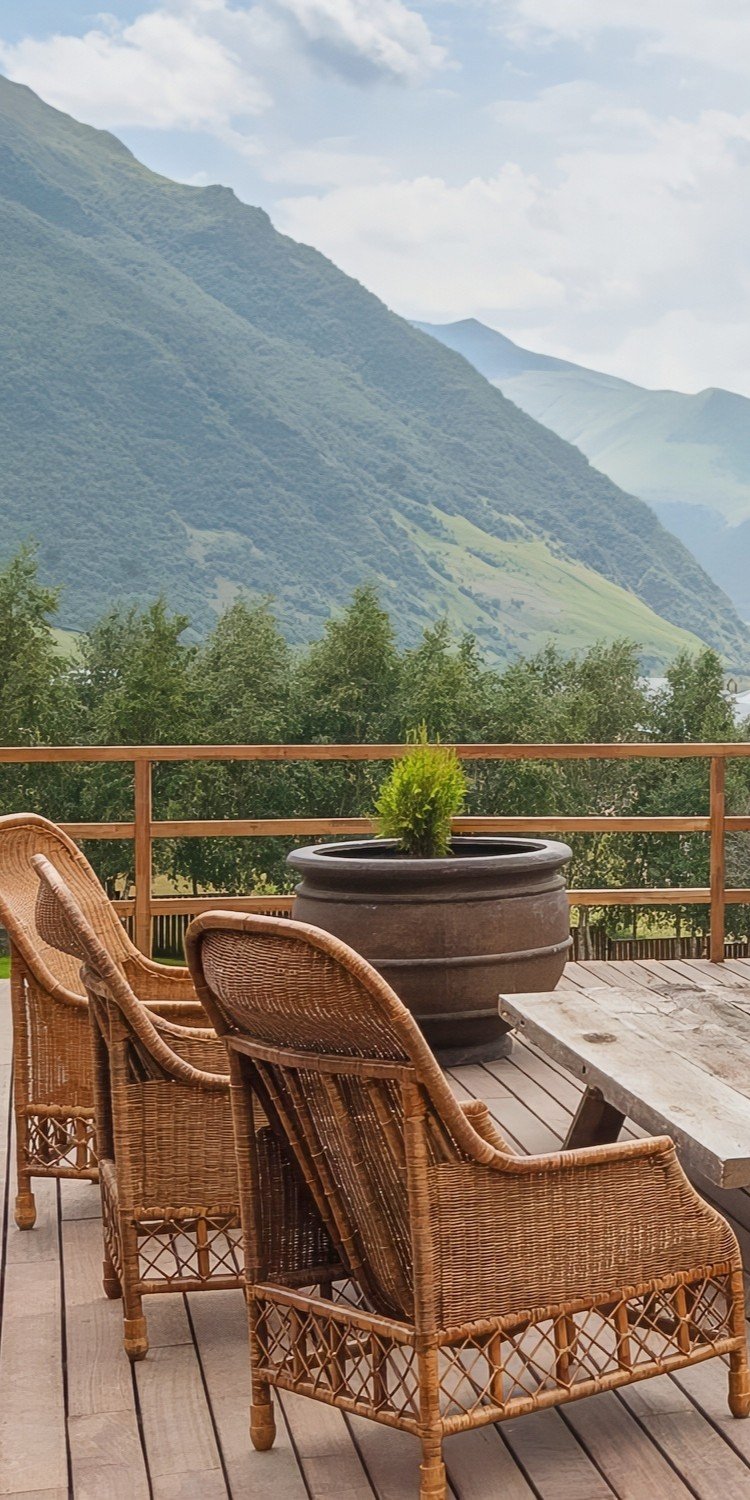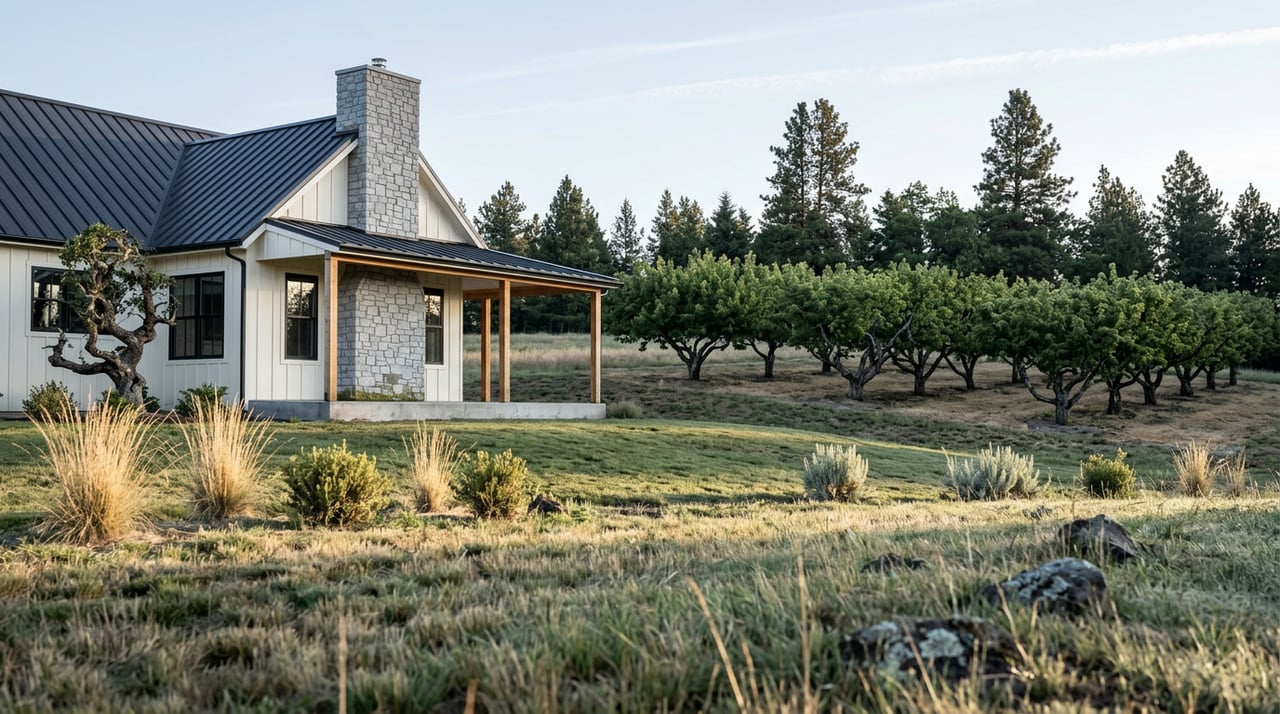
Walk two twenty-acre parcels in the Dufur Valley on the same afternoon and you might think someone made a mistake on one of the price sheets. Same slope. Same basalt-clay soil. Same distance into town. Yet one is priced like orchard ground and the other is priced like dryland wheat ground, which is to say a fraction of the cost.
The gap has almost nothing to do with what is growing on either parcel today. It comes down to a document most buyers never ask to see until an inspector or a closing attorney forces the question: does this land carry a certificated water right, and how old is that right in the state's priority line.
I work water-rights questions into nearly every rural showing I do in this county, because the answer changes what a buyer is actually purchasing. Fifteenmile Creek, which runs through Dufur and drains into the Columbia below The Dalles Dam, is the clearest example I know of why that piece of paper matters more than the dirt underneath it.
The Basin Stopped Handing Out New Rights Years Ago
Oregon's water allocation system, called prior appropriation, is state law everywhere in Oregon, but it becomes a real constraint on price only in places where the water is already spoken for.
Fifteenmile Creek is one of those places. Robert Wood, the state's District 3 Watermaster, told the Wasco County Board of Commissioners in a March 2025 report covered by Columbia Gorge News that no new irrigation permits have been issued in this basin since the early 2000s. He also described artesian wells in Dufur losing pressure over time, a sign that the aquifer feeding the valley is under sustained strain rather than expanding to meet new demand.
Digger Magazine reports that a formal transfer generally requires a Certified Water Right Examiner and can take the better part of a year even when nobody objects.
What a Closed Basin Does to Price
Irrigated ground in Wasco County has historically commanded a steep premium over dryland ground, and the reason traces directly back to that closed permitting system. A WaterWatch report on the Fifteenmile watershed noted that cherries were fetching around $10,000 per acre in 2016, roughly four times the going rate for dryland wheat in the same valley. That multiplier is why growers spent the 2000s and 2010s converting wheat fields to cherries and grapes wherever they could secure water, and why acreage of irrigated farmland in the county nearly doubled between 1997 and 2012.
The same reporting found that during the dry summer of 2015, only landowners holding water rights roughly 155 years old collected their full allocation.
One local grower, Tim Dahle, who farms pears and cherries west of Dufur, put the strain on the system plainly in a WaterWatch report: "this isn't sustainable, what we're doing now." That comment was about aquifer decline.
Review the Water-Right Paperwork
Oregon does not leave this to chance in a real estate transaction. State law requires that if you are selling land described in a water right, you must tell the buyer in writing whether a permit, transfer order, or certificate for that right exists, and you must hand over the actual document at closing if one exists. That obligation is spelled out in the Oregon Revised Statutes, and it is worth reading the actual text before you assume a seller's disclosure form covers it.
Before you write an offer on acreage anywhere in this basin, I walk buyers through a short list:
- Ask for the certificate or permit number, not just a verbal assurance that "the water right goes with the land."
- Compare the water-right paperwork with nearby rights if you can.
- As Jordan Ramis explains, check whether the right has been used within the last five years. Oregon can cancel a right for nonuse, and an unused right you inherit at closing may already be gone.
- Call the district or watermaster directly if the parcel sits inside an irrigation district.
- If any part of the deal involves a water-right transfer, budget real time. A formal transfer application is a technical filing, not a same-week fix.
The Fish Are Part of the Math Too
Capital Press reports that Fifteenmile Creek carries federally listed Mid-Columbia steelhead and that surface flows in the creek run over-allocated most summers. The Wasco County Soil and Water Conservation District has spent years testing ways to keep the stream cooler and higher.
The most visible piece of that work is a pilot project about six miles upstream from Dufur that diverts water from the creek during high winter and spring flows, stores it underground in a basalt aquifer, and returns it to the stream when summer flows and temperatures get dangerous for fish. Google, which has operated a data center in The Dalles since 2006, contributed $100,000 through Google.org to help fund the project through the Wy'East Resource Conservation and Development Area Council, a nonprofit that works with irrigators across the region. Shilah Olson, the conservation district's manager, has described the goal as protecting both the fish and the farms that depend on the same water.
None of that changes who holds which right today, but it tells you the basin is actively managed rather than static. A buyer weighing whether to pursue a water right transfer should know that the regulatory and conservation attention on this creek is not going away.
What This Means If You're Comparing Parcels
If you are pricing land in Wasco County against a median or an average per-acre figure you found somewhere else, you are missing the parcel-specific details that matter. Two parcels that look identical from the road can represent two very different financial outcomes over a ten year hold, and the only way to tell them apart is to pull the paperwork before you write the offer, not after.
What if the listing doesn't mention water rights at all?
Ask anyway. Oregon law requires the seller to disclose in writing whether documentation for any water right on the property exists, but that disclosure sometimes gets buried in paperwork rather than the marketing listing. Silence on a listing sheet is not the same as no water right existing.
Can I apply for a new water right if I want to start irrigating a dry parcel?
No new permits have been issued here since the early 2000s, so ask the state about the options for a specific application.
I spend a lot of my time on exactly this kind of paperwork because it is where rural deals in this county actually get decided, long before an inspection or an appraisal comes back. If you're comparing acreage in the Fifteenmile basin or anywhere else in Wasco County and want someone to help you read what a water right certificate is really telling you, contact Tiffany Hillman to start your Eastern Oregon search.
This article is general information, not legal, tax or financial advice. Consult a qualified professional about your situation.