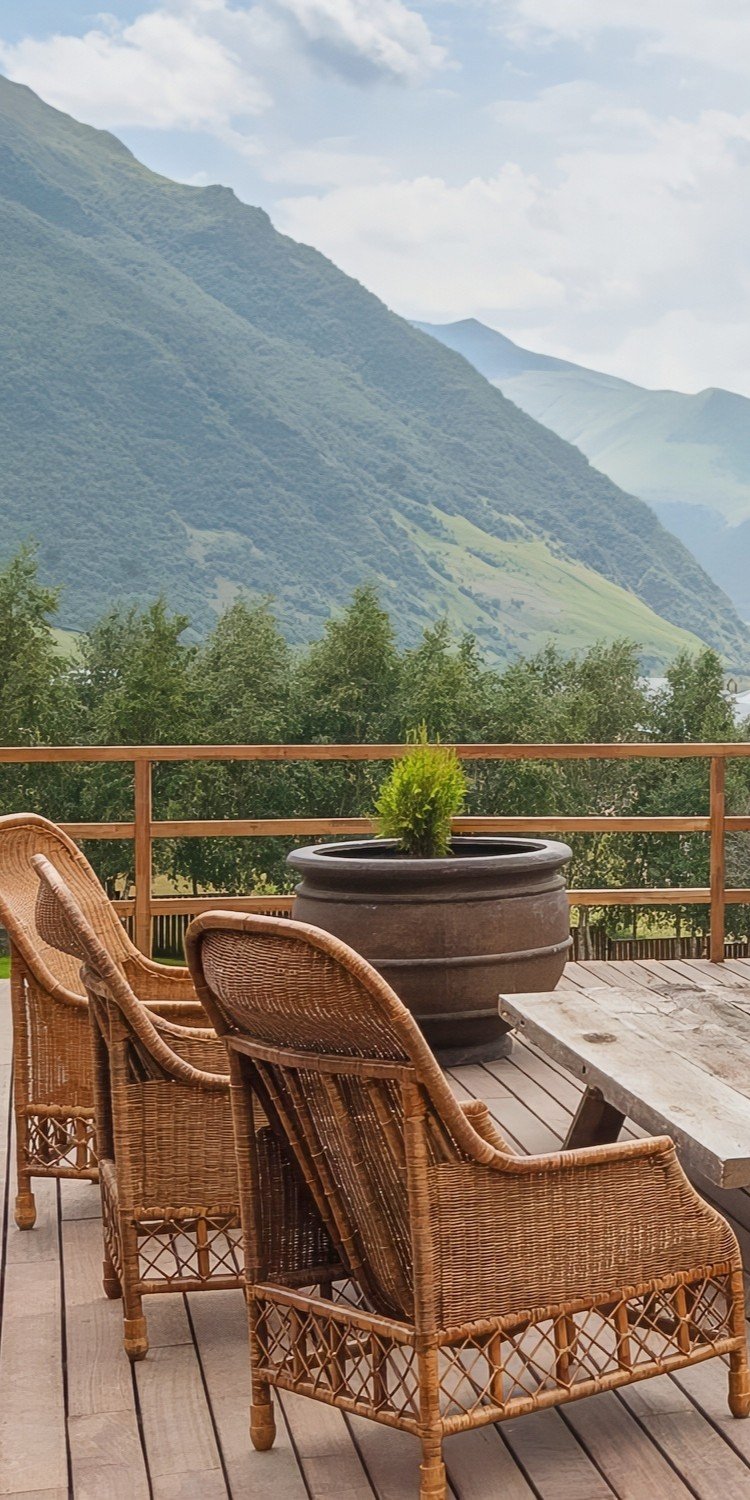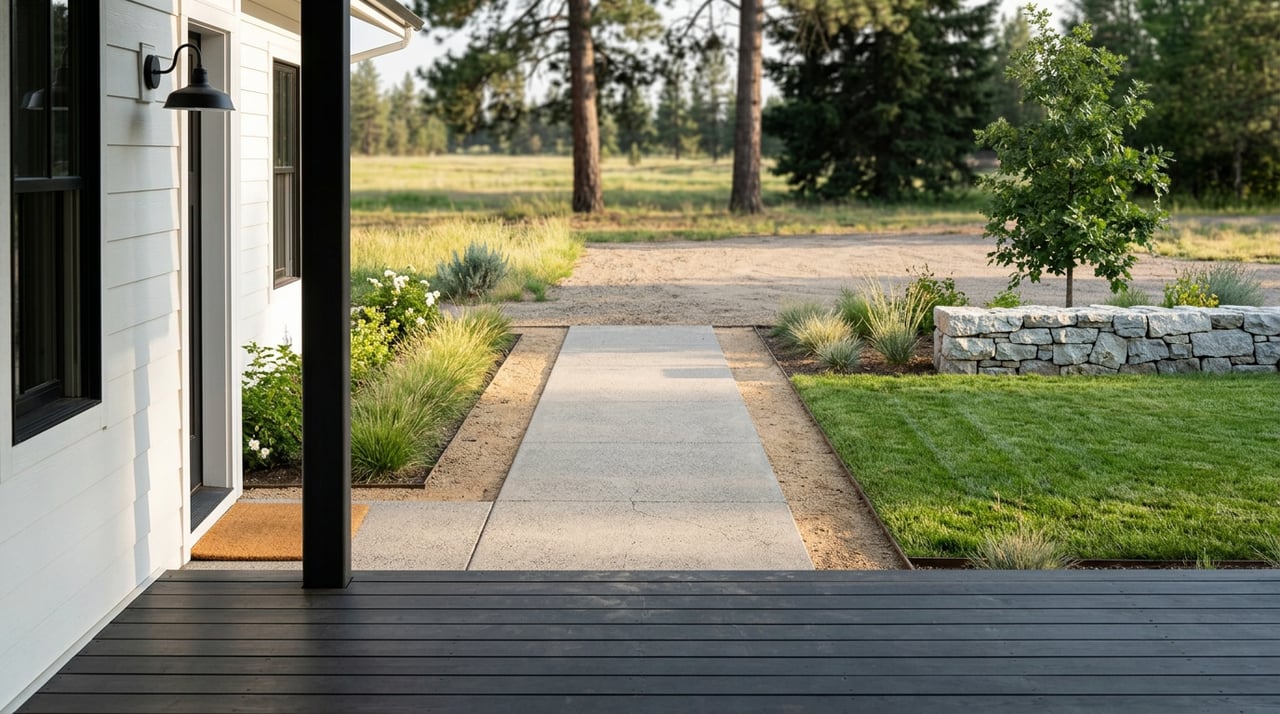
Are you torn between the simplicity of an in-town lot in Dufur and the freedom of acreage outside city limits? It is a common crossroads for buyers here. You want the right balance of space, cost, and everyday convenience without surprises after closing. In this guide, you will compare real differences in utilities, maintenance, zoning, access, and risk so you can choose with confidence. Let’s dive in.
How in-town living works in Dufur
In-town lots typically offer smaller yards, closer neighbors, and easier upkeep. You trade pasture and long driveways for quick access to services.
- Utilities are straightforward. The City of Dufur provides municipal water and sewer to properties inside city limits, and the city posts current base rates and billing details for in-town customers on its water and sewer page. You pay monthly service fees, but you avoid owning and maintaining a private well or septic system.
- Trash pickup is simple. The city lists The Dalles Disposal as the local provider, which means curbside collection for most in-town addresses. Check the city’s utilities resource page to confirm service options.
- Day-to-day maintenance stays light. Expect mowing a small lawn, tidying beds, and basic exterior care. No fence line checks across acres, no brush hogging, and no private road grading.
- Community access is close by. Dufur’s K–12 school is a central hub for many households. You can review district resources on the Dufur School District site.
If you value shorter to-do lists, predictable monthly bills, and being near local institutions, an in-town lot has clear advantages.
What to expect on acreage near Dufur
Buying acreage gives you space, privacy, and options for gardens, livestock, and outbuildings. It also brings more self-reliance.
Zoning and typical parcel sizes
Around Dufur, rural residential zones commonly include R‑R(5) and R‑R(10), which set minimum parcel sizes of 5 or 10 acres for new lots. These zones also guide what you can build and how you can use the land. Review Wasco County’s Land Use and Development Ordinance for details in the county LUDO.
Access, roads, and maintenance
Many rural properties rely on county roads, private roads, or shared easements. The county code sets rules for private access and how many properties can share it. That affects who maintains the road, winter plowing, and emergency vehicle access. Before you buy, confirm whether there is a recorded maintenance agreement and understand the standards in the county LUDO.
Water wells and septic systems
Acreage almost always means a private well and onsite septic system. In Oregon, most domestic wells are “exempt,” but they must be properly recorded with the Oregon Water Resources Department. Recent updates under HB 2145 changed fees and review steps for well reporting. Get familiar with the process on the OWRD HB 2145 page.
Septic systems are regulated under DEQ rules. Proper permitting, inspections, and in some cases licensed maintenance apply. A failing system can be costly, and it can interrupt financing or insurance until corrected. You can review the statewide rule framework in the onsite wastewater OAR.
Internet and cell coverage
Connectivity varies by address. Some parts of the Dufur area have fiber or fixed wireless, while others rely on DSL, satellite, or wireless home internet. Street-by-street serviceability differs, so run an address check with providers listed in the Dufur ISP summary before you commit.
Agriculture in the neighborhood
The Dufur Valley includes dryland farms, orchards, vineyards, and irrigated operations. Expect seasonal equipment traffic, dust during harvest, and normal agricultural activity. Irrigation and water availability are active issues in parts of the valley, as discussed in regional water updates like this Fifteenmile Creek commentary.
If you enjoy space and do not mind extra maintenance or longer drives for errands, acreage can be a great fit.
Cost and risk realities to factor in
Utilities and services
- In town, you pay monthly city water and sewer fees based on published base rates for in-town customers. See current figures on the City of Dufur water and sewer page.
- On acreage, plan for well and septic responsibilities. Budget for periodic septic pumping or service, potential repairs, and any well inspection or water-quality testing that makes sense for due diligence.
Fire and emergency response
Dufur operates an all-volunteer fire and ambulance department, and the city highlights local membership options for ground and air transport on its emergency services page. Outside town, response times can be longer depending on location and access. If you live off a private road, make sure your driveway and turnarounds meet local standards for emergency vehicles and that winter conditions are considered.
Wildfire exposure and insurance
Wildfire is a known regional hazard. The state’s hazard program includes a Wasco County risk assessment that is useful for context. Review the Wasco County Natural Hazard Risk Report and ask insurers about address-level underwriting. Requirements for defensible space or specific building materials can vary by carrier and location.
Property taxes and market context
Property taxes vary by parcel based on assessment, levies, and special districts. Use the county assessor for exact figures when you get serious about a property. Market pricing also shifts seasonally and is sensitive to thin inventory in small towns, so rely on current local data when comparing in-town lots and acreage.
Daily life and time tradeoffs
You will spend time differently depending on where you land. Here is a quick sense of the weekly rhythm.
In-town lot
- Short mowing and landscape touch-ups
- Inside-city trash pickup and standard utility billing
- Quick trips to school, library, and community spots
- Minimal road care and fewer equipment needs
Acreage outside Dufur
- Field or brush mowing, fence checks, driveway grading as needed
- Well and septic attention, plus record keeping for permits and inspections
- Seasonal chores tied to gardens, livestock, or orchards
- More tools and equipment to store, maintain, and fuel
Commute and services access
Dufur is a very small city of about 632 residents, which is part of its charm and pace of life. You can read a brief overview on the Dufur Wikipedia page. The Dalles is typically a 20 minute drive for major groceries, hospital services, and many government offices. Portland is roughly 1.5 to 1.75 hours depending on route and traffic. If quick access to larger services matters, weigh that time against the privacy and space that acreage delivers.
Which one fits you? Quick self-test
Ask yourself these questions as you compare options:
- Do you want low-maintenance living and predictable monthly utilities, or are you comfortable managing a well and septic system?
- How important is space for animals, gardens, or large shops and outbuildings?
- Will you enjoy the quiet and privacy of acreage, even if it means longer drives for errands and possibly slower emergency response?
- Do you need fast home internet for work or school, and are you willing to verify serviceability by address?
- Are you prepared for seasonal property care like snow on private roads, dust during harvest, or wildfire defensible space upkeep?
Due diligence checklist for any Dufur-area property
Use this list to avoid surprises before you write an offer.
- Inside or outside city limits. If inside, confirm municipal hookups and current base rates on the city water and sewer page.
- If there is a well. Ask for the driller’s log, OWRD exempt-well recording, and recent water-quality tests. Read the current rules on the OWRD HB 2145 page.
- If there is a septic system. Request permits, installation history, and pumping or maintenance records. See statewide requirements in the onsite wastewater OAR.
- Road and access. Confirm whether access is public, private, or by easement, and get any road maintenance agreement in writing. Review standards in the county LUDO.
- Internet and cell. Run an address-level check for available service types and speeds using provider tools starting from the Dufur ISP summary.
- Wildfire and insurance. Ask an insurer about the address and any defensible-space or construction requirements. For context, read the Wasco County hazard risk report.
- Schools and services. If school access matters, confirm district details with the Dufur School District and verify travel times that fit your routine.
Choosing between an in-town lot and acreage is about matching your daily life to the property’s demands. If you want help weighing these tradeoffs for a specific address, reach out to Tiffany Hillman for local, hands-on guidance tailored to your goals.
FAQs
What are the main utility differences between in-town Dufur and nearby acreage?
- In-town homes typically have city water and sewer with published base rates, while acreage properties usually rely on a private well and a DEQ-regulated septic system with owner maintenance responsibilities.
How do private roads and easements affect rural properties around Dufur?
- Private access can require shared maintenance agreements and must meet county standards for emergency access; confirm the agreement and review the county LUDO for rules before you buy.
What should I check about a well before buying acreage near Dufur?
- Request the well log, verify the OWRD exempt-use recording, and obtain recent water-quality tests; review current requirements under Oregon’s HB 2145 for fees and reporting steps.
Is internet reliable on rural acreage near Dufur?
- Coverage varies by parcel; some areas have fiber or fixed wireless while others use DSL, satellite, or wireless home internet, so you should run address-level availability checks with providers.
How does wildfire risk affect home insurance near Dufur?
- Insurers may have address-specific underwriting and defensible-space or construction requirements in higher-risk areas; consult carriers and review the county’s hazard risk report for context.
What everyday chores are typical on acreage compared to an in-town lot?
- Expect more outdoor work on acreage, including brush or field mowing, fence repairs, and private driveway care, while in-town lots usually mean light lawn and landscape maintenance with city services in place.