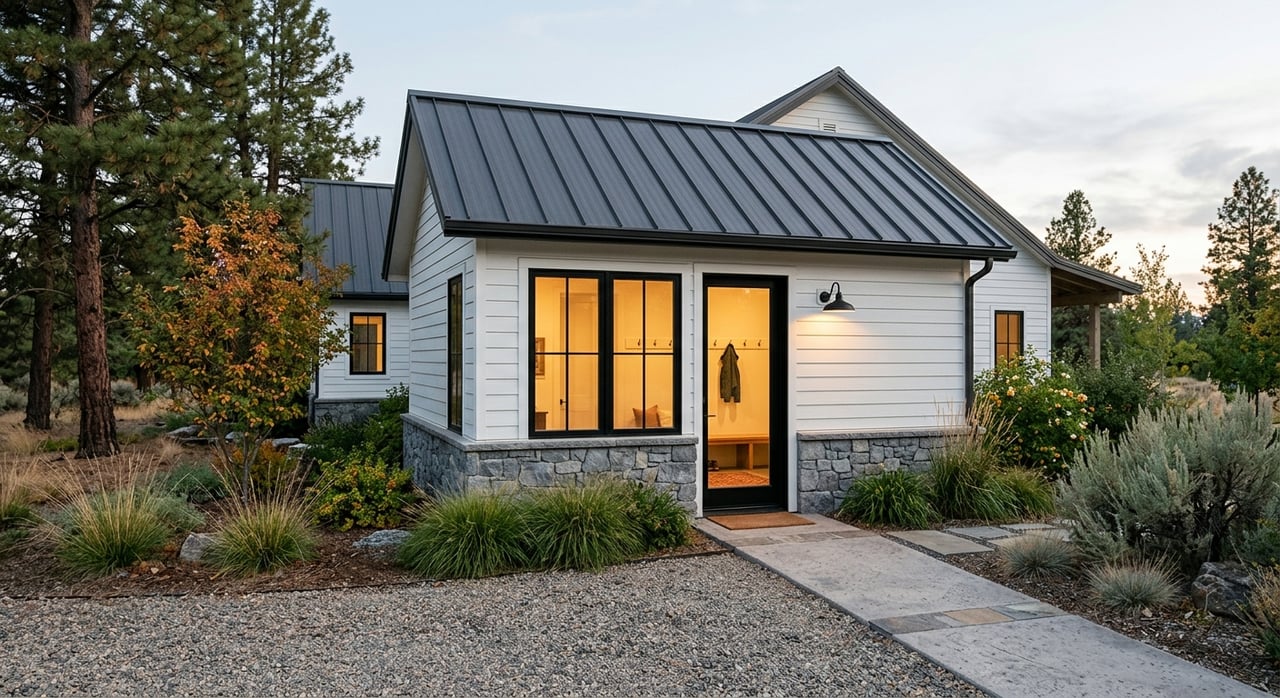
Buying your first home in Sherman County can feel simple on the surface and surprisingly detailed once you get into the process. In a small rural market, you are not just comparing bedrooms and price. You are also looking at access, zoning, private systems, and financing rules that can matter earlier than they often do in a city. This guide will walk you through what to expect in Sherman County towns like Biggs, Rufus, Wasco, Moro, Grass Valley, and Kent, so you can move forward with more confidence. Let’s dive in.
Why Sherman County feels different
Sherman County is a small rural county with about 1,955 residents and six towns: Biggs, Rufus, Wasco, Moro, Grass Valley, and Kent. Moro is the county seat. The local economy centers on wheat, barley, cattle, and tourism, which means the market often moves differently than a larger metro area.
For you as a first-time buyer, that usually means fewer available homes, less frequent turnover, and more property-specific homework. A house that looks straightforward online may still require extra checks on title, land use, road access, water, or wastewater systems.
Another key difference is that county property assessment information is not fully available online. Sherman County says buyers may need to go to the Courthouse or contact county offices directly to confirm titling, zoning, property lines, valuation details, and GIS or mapping records. In practice, that makes local guidance and early due diligence especially important.
Start with your financing options
Before you tour too many homes, get clear on which loan paths may fit your budget and the property type you want. In Sherman County, that often means looking closely at rural-friendly financing and Oregon first-time buyer programs.
USDA financing in Sherman County
USDA Rural Development offers single-family housing programs designed for rural buyers, including no-money-down financing for qualifying borrowers. Eligibility depends on your income and the property itself. Because property eligibility is tied to the exact address, it is smart to verify a home early in the process and remember that USDA makes the final eligibility decision.
This can be especially useful in small Sherman County towns, where rural loan options may line up well with the local setting. Still, not every home will qualify just because it is in a rural area. You and your lender will want to confirm the address and the program fit before you get too far down the road.
Oregon first-time buyer programs
Oregon Housing and Community Services, or OHCS, offers the FirstHome/Flex Lending path for low- to moderate-income buyers. OHCS defines a first-time homebuyer as someone who has not owned or occupied a principal residence during the three years before closing. Homebuyer education through an OHCS-approved center is required.
OHCS also offers down payment assistance for eligible first-time and first-generation buyers. Depending on the program, assistance may help with down payment and closing costs, with some programs offering up to $60,000 or 20% of the purchase price, whichever is less. The state requires homebuyer education and work with a certified housing counselor.
Why preapproval matters more here
In a rural market, financing is not just about what you can afford each month. It is also about whether the property fits lender and program rules. If you are considering a home with a private well, septic system, unusual acreage, or limited comparable sales nearby, your lender may need more time and more documentation.
That is why it helps to get preapproved early and talk through the kind of property you want. A lender can help you understand whether your loan choice fits a home in town, a place with extra land, or a property with private systems.
Check the property before you make an offer
Once you find a home you like, the next step is not just deciding on price. In Sherman County, you also want to make sure the property works for your goals and will satisfy your lender.
Confirm title, zoning, and property lines
Sherman County says the Assessor’s Office handles property valuation and GIS or mapping records, while the Planning Department processes land-use applications and inquiries. If you are looking at acreage, an unusual parcel, or a property where you may want to add improvements later, check zoning and allowed uses early.
This matters because records are not fully online, and rural properties can come with questions that are not obvious from a listing sheet. If boundaries, legal access, or future use are important to you, ask those questions before you are too far into the transaction.
Ask about road access and maintenance
Access is a big part of rural due diligence. Sherman County’s Road Department manages 484 miles of roads, and 54% are gravel. That means you should ask whether the road is county maintained or private, who handles upkeep, and what access looks like during winter weather.
A home can be a great fit on paper and still raise practical questions once you think about daily use. If you commute, expect visitors, or plan to live there year-round, road conditions and maintenance responsibilities deserve a close look.
Understand Oregon seller disclosures
Oregon law requires most sellers to provide a seller’s property disclosure statement when a buyer makes a written offer. If the seller completes the second section of that form, you generally have five days to revoke your offer unless that right is waived.
That disclosure can give you helpful insight into the property’s condition and history, but it should not replace your own inspections and verification. Think of it as one important piece of the picture, not the whole picture.
Know the difference between inspection and appraisal
First-time buyers often hear these terms together, but they serve different purposes. A home inspection looks at the condition of the property. An appraisal estimates value for the lender.
The Consumer Financial Protection Bureau recommends scheduling the inspection as soon as possible. If your contract includes a contingency for a satisfactory inspection, you may be able to cancel without penalty if the results are unsatisfactory.
Why appraisals can be trickier in rural areas
In Sherman County, appraisals may take more explanation than they would in a busier market. Fannie Mae says rural properties may require older comparable sales or sales from farther away when local comps are limited, as long as the appraiser explains the choices and supports the adjustments.
USDA also notes that in remote rural areas with thin market activity, the sales comparison approach may not always be possible, and the appraiser must document why. For you, that means the process may feel slower or more detailed if there are not many recent nearby sales.
If the appraisal comes in lower than expected, you may need to renegotiate, bring more cash, or reconsider the deal. That is one more reason to work with professionals who understand how rural properties are evaluated.
Pay close attention to wells and septic systems
If the home has a private well, Oregon requires the seller in a real estate transaction to test for arsenic, nitrate, and total coliform bacteria and submit the required form and results to the state. This is not a minor detail. Water quality and documentation are central parts of due diligence for a property with a private well.
If the property has a septic system, Oregon DEQ regulates onsite wastewater treatment and emphasizes proper maintenance, permits, and inspection records. Buyers should ask for septic permits, pumping records, and any service contracts as early as possible.
These items can also affect financing. USDA requires acceptable water and wastewater systems for rural loan approval, so private systems are not just a maintenance issue. They are often part of whether the home can move smoothly through underwriting.
Expect more early due diligence
Because Sherman County is small and county records are not fully online, buyers often need to verify details sooner than they would in a city purchase. That can include title questions, zoning, property lines, road access, well testing, and septic records.
This does not mean buying here is harder. It means the path works best when you stay organized and ask practical questions early. In a rural market, a little extra preparation can save you time, stress, and surprises later.
Prepare for closing and first-year costs
As you move toward the finish line, there are a few timing and budget details worth knowing.
Closing documents and timing
By law, borrowers must receive the Closing Disclosure at least three business days before closing. The Consumer Financial Protection Bureau advises contacting your lender or closing agent at least a week before closing to confirm who is sending it and how it will arrive.
You should also review the deed, mortgage, and other closing documents before signing. In a typical mortgage transaction, you are entitled to receive a copy of the appraisal no later than three days before closing.
Budgeting for Sherman County property taxes
Sherman County’s tax office says tax statements are issued in late October for the current tax year, which runs from July 1 through June 30. The county assessor also notes that values are effectively based on a January 1 snapshot.
For first-time buyers, that matters because your tax bill may not match your purchase price in a simple one-to-one way. It also affects prorations at closing and how you estimate your first year of ownership costs.
A simple first-time buyer path
If you want to keep the process manageable, focus on the right order of steps.
- Get preapproved and ask about USDA and Oregon first-time buyer options.
- Identify the kind of property you want, including whether private well, septic, or acreage are involved.
- Verify address-based loan eligibility early if you plan to use USDA financing.
- Ask early about title, zoning, property lines, and road maintenance.
- Review seller disclosures carefully once you make a written offer.
- Schedule inspections quickly and request well and septic documentation right away.
- Stay prepared for a rural appraisal process that may need more time or explanation.
- Review your Closing Disclosure, appraisal, and final documents before signing.
Buying your first home in Sherman County is not about rushing. It is about understanding the local details, asking smart questions, and having someone in your corner who knows how small-town and rural transactions really work.
If you are planning your first move in Sherman County and want practical help sorting through financing, access, acreage questions, or the next steps, reach out to Tiffany Hillman for local guidance tailored to Eastern Oregon.
FAQs
Can a first-time buyer use USDA financing in Sherman County towns?
- Yes, USDA financing may be an option for qualifying buyers and qualifying properties, but eligibility depends on your income and the specific property address, and USDA makes the final determination.
What should a first-time buyer verify before buying a Sherman County home?
- You should verify financing fit, title, zoning, property lines, road access, seller disclosures, inspection findings, appraisal timing, and any well or septic documentation tied to the property.
Do Sherman County buyers need to check road maintenance?
- Yes, access is an important part of rural due diligence because many county roads are gravel, so you should ask whether the road is county or private and what winter access and maintenance look like.
What well testing is required for an Oregon home sale?
- For a home with a private well, Oregon requires the seller to test for arsenic, nitrate, and total coliform bacteria and submit the required form and results to the state during the transaction.
Why can appraisals be harder in Sherman County?
- Rural appraisals can be more complex because there may be fewer recent comparable sales nearby, which can require older or more distant comps and additional appraiser support.
When do buyers get the Closing Disclosure in Oregon?
- Borrowers must receive the Closing Disclosure at least three business days before closing.