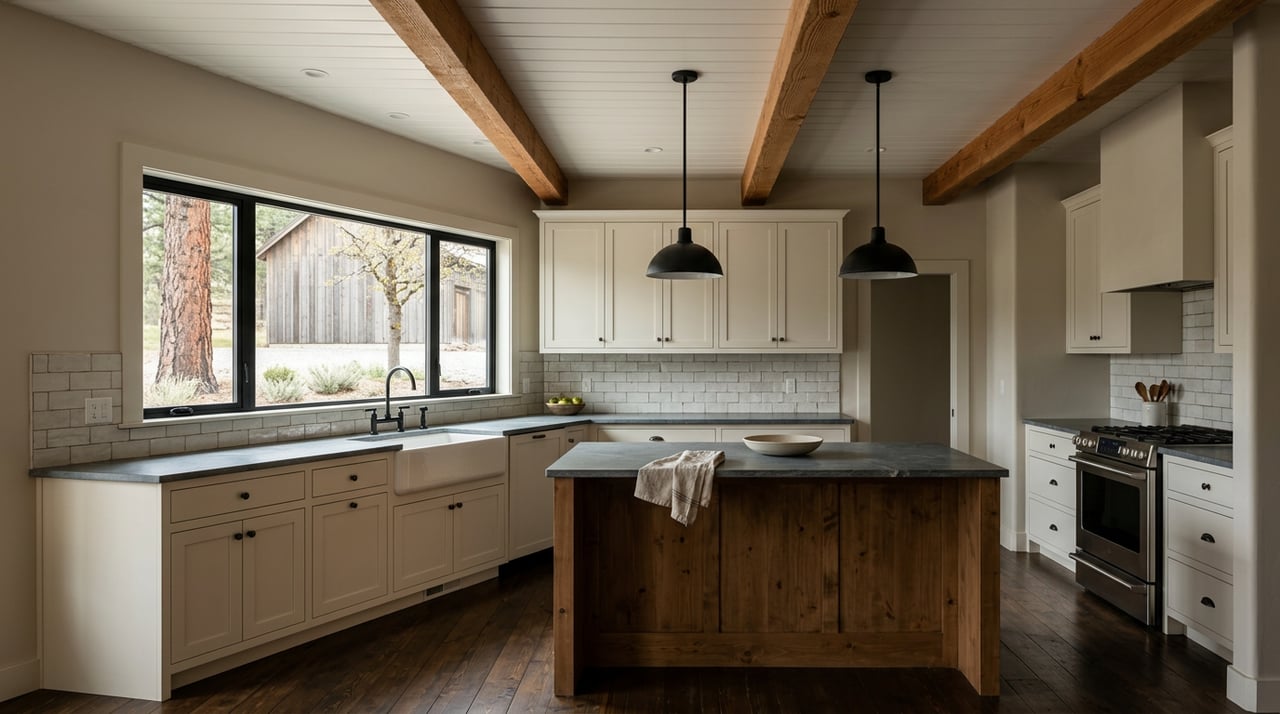
If the idea of a wide front porch, a classic gable roof, and room for a garden lights you up, an older farmhouse in Dufur could be just right. These homes have character, land, and a pace of life you cannot find in the city. They also come with unique systems and paperwork that deserve careful attention. In this guide, you will learn exactly what to check, who to call in Wasco County, what the law requires for wells and septic, and how to budget for common fixes. Let’s dive in.
Start with location and utilities
Before you get attached to a property, confirm whether it sits inside Dufur city limits or in unincorporated Wasco County. This one fact changes how you verify utilities and permits. If the home is inside city limits, contact the City of Dufur to confirm water and wastewater service and request any available utility account history. If it is outside the city, Wasco County handles planning and building permits, and you will likely be dealing with a private well and septic.
A quick call early in your due diligence can clarify which rules apply, which records exist, and how upgrades or additions would be handled.
What makes older Dufur farmhouses different
Many older farmhouses in this area are wood frame with attics and crawlspaces, original porches, and detached outbuildings like barns or sheds. You will often see older plumbing and wiring, masonry or shallow foundations, and wood-stove, oil, or propane heat. The local climate is semi‑arid, with cold winters and hot, dry summers, so roofs, flashing, and drainage at foundations matter a lot.
That means your inspection priorities should include:
- Foundation and structure, including signs of settlement or patched piers.
- Roof, flashing, gutters, and attic ventilation.
- Crawlspace moisture, insulation, and vapor barriers.
- Chimneys, wood stoves, and heating equipment condition and safety.
- Electrical safety, including older panels, ungrounded circuits, or knob‑and‑tube wiring.
- Outbuildings, both structure and any electrical systems.
Hiring a general home inspector who is experienced with rural and older homes is step one. Add specialists where needed, like a structural engineer, licensed electrician, licensed plumber, and well and septic pros.
Water: wells, tests, and capacity
If the property uses a private domestic well, there are legal steps you cannot skip. Under Oregon law, sellers must test a domestic well for arsenic, nitrates, and total coliform bacteria when a sale offer is accepted, then provide results to the Oregon Health Authority and to you. See the requirement in ORS 448.271. You should receive the lab reports and the OHA data sheet as part of the sale.
Beyond the required test, it is smart to order your own water sample and a pump test to confirm supply and equipment performance. The Oregon Health Authority provides guidance on well testing and links to accredited labs on its Domestic Well Safety page. Ask for and review:
- The well log or construction report and the Well ID label number.
- Any past pump test results, pump model, and service records.
- Recent water quality lab slips and any treatment history.
- Any recorded well easements if the well is shared or off‑parcel.
You can search for well logs and construction records through the Oregon Water Resources Department’s well log database. If the listing mentions irrigated acreage or ditch access, remember that irrigation water rights are separate from domestic well use. Confirm recorded rights during title review and consult OWRD directly if you need clarity.
Septic systems: permits and proof
If the home is on septic, plan to review permits and maintenance records, then order a thorough inspection. In Wasco County, the North Central Public Health District administers onsite (septic) programs as the state DEQ agent. Start with the NCPHD’s septic systems program page to understand permit steps and documentation.
Ask the seller for:
- The septic permit and as‑built drawings, plus the system type and install date.
- Pumping receipts, inspection or maintenance reports, and any repair permits.
- The location of the tank, drainfield, and reserve area.
- Any certificate of satisfactory completion or authorization to connect.
Order an existing system evaluation and a full inspection. Red flags include undocumented repairs, pump alarms, frequent emergency pumpings, sewage odors, or soggy areas over the drainfield. If repairs or a replacement seem likely, get a designer’s preliminary opinion and rough permit costs during your contingency period.
Outbuildings, barns, and permits
Farm properties often come with historic barns, pole‑barns, shops, and sheds. Some may be grandfathered, some permitted, and others unpermitted. Verify status with Wasco County Planning, especially for larger structures or anything with electrical or plumbing. Unpermitted outbuildings can be a safety and insurance challenge, and retroactive permits or remediation may be required.
Some purely agricultural buildings can be treated differently under state and county rules. The details depend on use and design, so confirm with Planning before you assume an exemption applies. When in doubt, request permit history during your offer period and have a licensed electrician review any shop wiring.
Land use, taxes, and hazards
Confirm zoning, allowed uses, and any overlays with Wasco County Planning if the parcel is outside city limits, or with the City of Dufur if it is inside. For tax status, ask whether the property is enrolled in special assessment programs such as farm use or designated forestland. These programs can reduce taxes while the property qualifies, and there can be additional taxes if the use changes. Contact the Wasco County Assessor to confirm the current status and what would happen if you changed the use.
Check for flood and wildfire exposure early. Use FEMA’s Flood Map Service Center to see if any part of the property lies in a mapped flood zone. For wildfire, Wasco County communities, including Dufur, show elevated risk on community wildfire indices. County resources explain local risk and mitigation strategies; start with this Wasco wildfire risk overview. Exposure can affect both your insurance cost and availability, so speak with your insurer during contingencies.
Realistic costs and timelines
Every property is different, but here are common ranges that help you budget while you collect local quotes:
- Septic inspection before purchase typically runs a few hundred dollars up to about 1,000 dollars depending on how much digging is needed. Full system replacements can range from roughly 3,000 to 20,000 dollars or more based on soil, site, and system type.
- Well equipment repairs can be modest for small fixes. A full submersible pump replacement often averages about 1,000 to 3,000 dollars depending on depth and complexity.
- Roof, foundation, and drainfield repairs can reach the mid to high thousands or into the tens of thousands when work is significant or access is tight.
Expect a standard 10 to 14 day inspection window to gather records, book specialists, and get preliminary bids. If you need more time for septic or well tests, negotiate for it up front in your offer.
Your Dufur due diligence plan
Use this step‑by‑step plan to stay organized:
- Day 1 to 3: Confirm city versus county jurisdiction. Call the City of Dufur or Wasco County Planning. Ask for any available utility history. Pull the listing file and request well and septic documentation from the seller.
- Day 1 to 3: Pull the well log from OWRD and schedule a well inspection and pump test if water capacity is a question.
- Day 1 to 3: Book your general home inspection. Add a licensed electrician to review the panel and any older wiring, plus a chimney and heating check.
- Day 1 to 7: Order your own water quality sample even if the seller provides results. Confirm the seller’s required well tests per Oregon law.
- Day 1 to 7: Schedule a septic evaluation with a licensed inspector or designer. Ask them to locate the reserve area and review the as‑built.
- Day 1 to 7: Check FEMA flood maps and contact your insurer about wildfire coverage. Ask the local fire district about defensible space best practices.
- Day 4 to 10: Verify outbuilding permit status with Wasco County Planning. If a shop has power, have a licensed electrician inspect it.
- Day 4 to 10: Call the Wasco County Assessor to confirm any farm or forest special assessment status and what a change of use might mean.
- Day 10 to 14: Review inspection reports and any preliminary bids. Prioritize safety, water, wastewater, and structure. Negotiate repairs or credits.
Questions to ask the seller or listing agent
- Is the property inside Dufur city limits or in unincorporated Wasco County, and who provides water and wastewater service? Please share any utility account history.
- For a private well: What is the Well ID and well log, well depth, pump model, last pump test, and recent water quality lab slips? Are there any well easements?
- For septic: What is the permit number, system type, installation date, and location of the tank and drainfield? Please provide the as‑built, pumping receipts, and any certificate of completion.
- Outbuildings: Which structures were permitted, and did any receive electrical or plumbing permits? Were variances or conditional uses approved?
- Easements and rights: Are there recorded easements for wells, access, irrigation pipes, or shared drives? Are irrigation rights present and documented?
- Taxes: Is the parcel enrolled in a farm or forest special assessment program? If so, please share documentation so I can confirm status with the county assessor.
Who to call and where to look online
- City utilities, permits, and whether a home is inside city limits: City of Dufur
- Well testing requirement at sale and what results you should receive: ORS 448.271
- Domestic well safety guidance and accredited lab info: Oregon Health Authority
- Well logs and construction records: OWRD well log search
- Septic system permits and inspections in Wasco County: North Central Public Health District
- Zoning, land use, and outbuilding permit questions: Wasco County Planning
- Property records and special assessment status: Wasco County Assessor
- Flood zone lookups: FEMA Flood Map Service Center
- Wildfire risk background and mitigation resources: Wasco wildfire risk overview
You can absolutely buy an older farmhouse in Dufur with confidence. With the right records, a targeted inspection plan, and a few local calls, you will know exactly what you are buying and how to budget for near‑term upgrades. If you want a hands‑on local guide who knows rural systems and how to navigate Wasco County process, I would love to help you align the right farmhouse with your plans.
Ready to start? Reach out to Tiffany Hillman to talk through a property you are eyeing or to set up a tailored search.
FAQs
What inspections matter most when buying an older farmhouse in Dufur?
- Prioritize structure and foundation, roof and attic, electrical safety, heating and chimneys, private well capacity and water quality, septic permits and function, and outbuilding condition and wiring.
What well tests are required in Oregon during a home sale?
- Sellers must test a domestic well for arsenic, nitrates, and total coliform bacteria after an offer is accepted and provide results to the Oregon Health Authority and the buyer, as outlined in ORS 448.271.
How do I verify a septic system in Wasco County?
- Request permits, as‑builts, install date, pumping and maintenance records, and any completion certificate, then order an existing system evaluation and full inspection through the North Central Public Health District’s onsite program.
How should I evaluate outbuildings on a Dufur farm property?
- Confirm permit status with Wasco County Planning, have any wired structures inspected by a licensed electrician, and verify that intended uses align with zoning and any agricultural exemptions.
How do flood and wildfire risks affect rural homes around Dufur?
- Flood zones can drive insurance requirements and limit improvements; wildfire exposure can affect insurance availability and cost, so check FEMA flood maps and consult your insurer and local fire resources early.
Do farm or forest tax programs change my costs after I buy?
- Special assessment can lower taxes while a property qualifies but may trigger additional taxes if the use changes, so confirm the current status and implications with the Wasco County Assessor before closing.